We remember our comrade Pauline Campbell : 10 Years on!
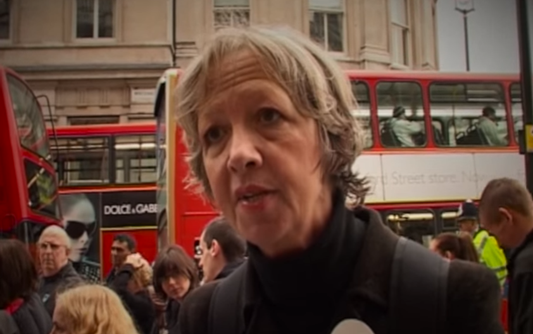
4WardEverUK pays respect to our dear sister and comrade as we mark the 10th anniversary of her tragic death.
Pauline Campbell was found dead on 15 May 2008, not far from the grave of her daughter Sarah. Sarah died in January 2003 in HMP Styal.
Picture: Pauline Campbell at the annual UFFC Rally & Demo in 2007.
Pauline was committed not just to campaigning but also to helping INQUEST’s work in supporting bereaved families. She was one of a number of bereaved parents who turned their own personal loss into sustained campaign action and protest. Read the rest of this entry
Separate transgender unit to be set up at UK prison for first time
 source: Yahoo News
published: 4 March 2019
Female transgender prisoners will be housed separately from other inmates at a prison in Surrey for the first time in the UK. A wing at HMP Downview, in Sutton, will be used to hold three transgender prisoners without access to other inmates, Sky News reports.
The three women hold gender recognition certificates, meaning their gender transition is legally recognised.
Usually transgender prisoners are housed according to their legally-recognised gender, unless there are exceptional circumstances. Read the rest of this entry
Thirty two women die following restraint
 sources: Mental Health Today
published: 3 July 2018
Thirty two women died after experiencing restraint over a five year period, according to new figures obtained by Agenda, an alliance for women and girls at risk.
The data, on patients detained under the Mental Health Act, suggests women were more likely to have restraint-related deaths than men between 2012/13 and 2016/17.
Younger women made up a large number of the restraint-related deaths – 13 were aged 30 and under, compared to four men in that age range. Read the rest of this entry


 Remember Pauline